
Success Story: Empowering Livelihoods through Mushroom Production in Kpando Torkor
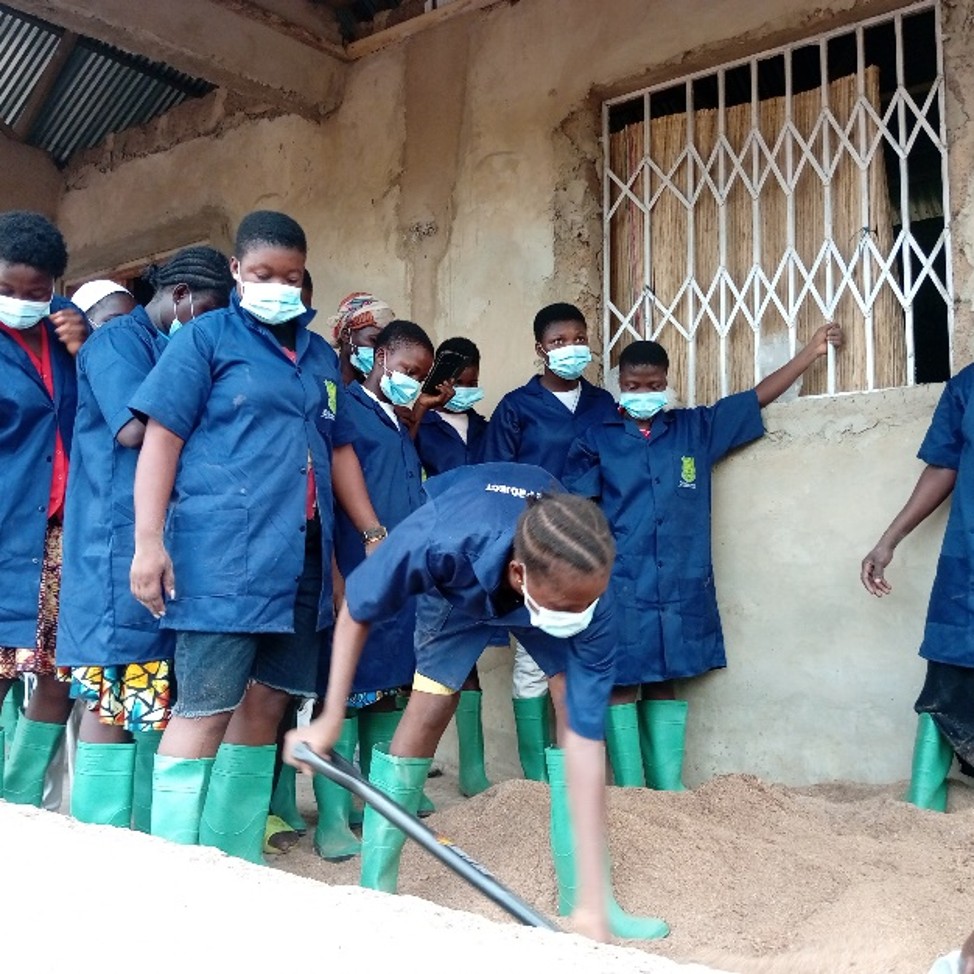
Kpando Torkor, a vibrant lakeside community in the Kpando Municipality of the Volta Region, is known for its fishing and trading activities along the Volta Lake. In recent years, however, many young people and women have been seeking alternative sources of income to improve their livelihoods and reduce economic vulnerability. Through the WUSC ACTIVATE Project, selected youth and women from the community received training in mushroom production as a viable agribusiness opportunity. The training provided participants with practical skills in mushroom cultivation, business management, value addition, and marketing. One beneficiary from the Kpando Torkor community embraced the opportunity and started mushroom production on a small scale after completing the training. Applying the knowledge and skills acquired, the beneficiary successfully established a mushroom enterprise and gradually expanded production to meet growing demand from households, restaurants, and local markets. The WUSC ACTIVATE Project has not only equipped beneficiaries with technical and entrepreneurial skills but has also strengthened their confidence to create employment opportunities for themselves and others. The initiative is contributing to improved household incomes, food security, and economic resilience within the Kpando Torkor community. This success story highlights how targeted skills training and entrepreneurship support can transform lives, unlock local potential, and promote sustainable community development.
Success Story: From Training to Thriving Enterprise – The Journey of Bertha Denutsui
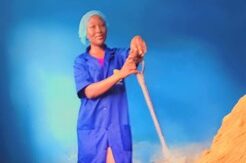
Bertha Denutsui, a graduate from the Ho Technical University with a passion for agribusiness, is a shining example of how skills training can transform lives and create sustainable livelihoods. Despite her educational background, Bertha faced challenges in securing employment after graduation. Determined to create opportunities for herself, she enrolled in mushroom production training under the WUSC ACTIVATE Project. During the training, Bertha acquired practical knowledge and hands-on skills in mushroom cultivation, including substrate preparation, spawning, crop management, harvesting, and marketing. The training also exposed her to entrepreneurial concepts, helping her understand how to turn a technical skill into a viable business venture. Inspired by the opportunities in the mushroom industry and equipped with the knowledge gained from the project, Bertha started mushroom production on a small scale. Through dedication, hard work, and the application of the skills she had learned, she gradually expanded her operations. Today, Bertha is fully engaged in commercial mushroom production. Her enterprise supplies fresh mushrooms to households, restaurants, and local markets, generating a steady source of income. Beyond improving her own livelihood, her business has the potential to create employment opportunities for others, particularly young people interested in agribusiness. Bertha’s journey demonstrates the impact of the WUSC ACTIVATE Project in empowering youth with practical skills and entrepreneurial opportunities. Her success serves as an inspiration to other young graduates, proving that with the right training, determination, and support, it is possible to transform challenges into opportunities and build a successful career in agriculture. “I am grateful to the WUSC ACTIVATE Project for giving me the skills and confidence to start my own business. Mushroom production has become more than a source of income; it has given me purpose and a future,” Bertha shares. Bertha Denutsui’s story is a testament to the power of skills development, entrepreneurship, and innovation in creating sustainable livelihoods and driving agricultural transformation.
Brief Report On Site Visit By Kpantosa Members
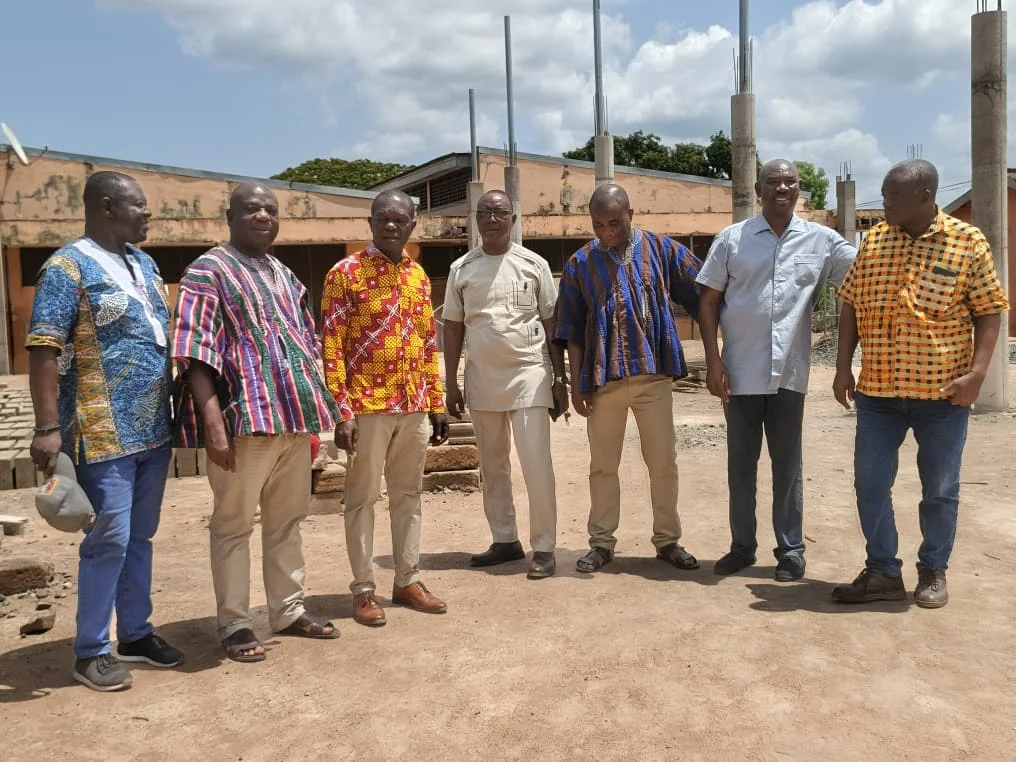
Some members of the Kpantosa Executive Council, led by the National President, Major Rtd. Paul Amega, undertook a monitoring visit to the ongoing Dining Hall Expansion Project at Kpando Technical Institute. The purpose of the visit was to evaluate the progress of work, assess the quality of construction, and identify practical steps to ensure the project is completed within a reasonable time frame. Findings from the inspection indicate that, although work is progressing steadily, the project is currently behind schedule. This setback is primarily due to financial challenges, which continue to slow down the pace of construction. Consequently, a strong appeal is being made to all Kpantosans and the general public to support the project through generous donations, either in cash or in kind, to help drive its completion. The visit was both timely and productive. While the progress made so far is encouraging, there is a clear need for focused and strategic interventions to fast-track the remaining work. With sustained collaboration and commitment from all stakeholders, the dining hall expansion project can be successfully completed to enhance student welfare and strengthen institutional capacity. Prepared By Pascal Danyo 18th March, 2026.
Appointment: KPANTOSA President Appointed Volta Regional Deputy Director of NADMO
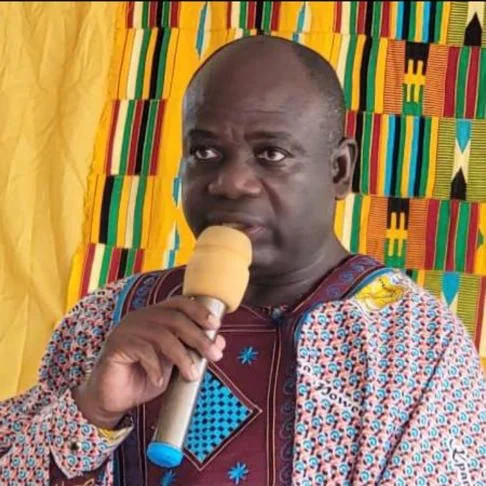
Kpantosa President (Major Paul Kwaku Amegah Rtd.) appointed by Government as the Volta Regional Deputy Director of NADMO. The Government of Ghana has officially appointed Major Paul Kwaku Amegah (Rtd.), widely respected as the President of the Kpantosa Union, as the new Volta Regional Deputy Director of the National Disaster Management Organisation (NADMO). The appointment, as announced, has been met with widespread commendation from the school community, the Old Student Association ( KPANTOSA), traditional leaders and civil society groups across the Volta Region. Major Amegah, a retired senior military officer, brings to the role decades of leadership experience, discipline, and a deep commitment to community service. His academic journey began at KPA NTECH from 1980 – 1983 & did Automobile engineering, followed by studies at Accra Polytechnic from 1984 to 1986. He later pursued and successfully completed his GCE O-Level in 1996 and A-Level in 1997. In 1998, he earned a Diploma in Instrument Engineering from the prestigious Military Engineering School in India. Upon completion, he was commissioned as a Lieutenant at the Ghana Military Academy in 1999. Major Amegah enlisted in the Ghana Armed Forces in 1988 and served with distinction for over two decades. Major Amegah’s distinguished career in the Ghana Armed Forces was marked by professionalism, resilience, and dedication to national duty. Since his retirement, he has continued to serve his alma mater through Kpantosa, where he has championed development initiatives for the Kpando Technical Institute. As Deputy Regional Director of NADMO in charge of operations, Major Amegah will play a pivotal role in coordinating disaster prevention, preparedness, and response efforts across the Volta Region. His appointment comes at a critical time, as the region continues to face challenges ranging from seasonal flooding to climate-related emergencies. With his new role, Major Amegah is expected to work closely with the Volta Regional Coordinating Council, district assemblies, and local communities to enhance disaster resilience. His appointment is seen as both a recognition of his service and a call to greater responsibility in safeguarding lives and property in the region. The entire Management of the school and leadership of the Old Students Association Sends their Warmest Congratulations to our gallant leader.